
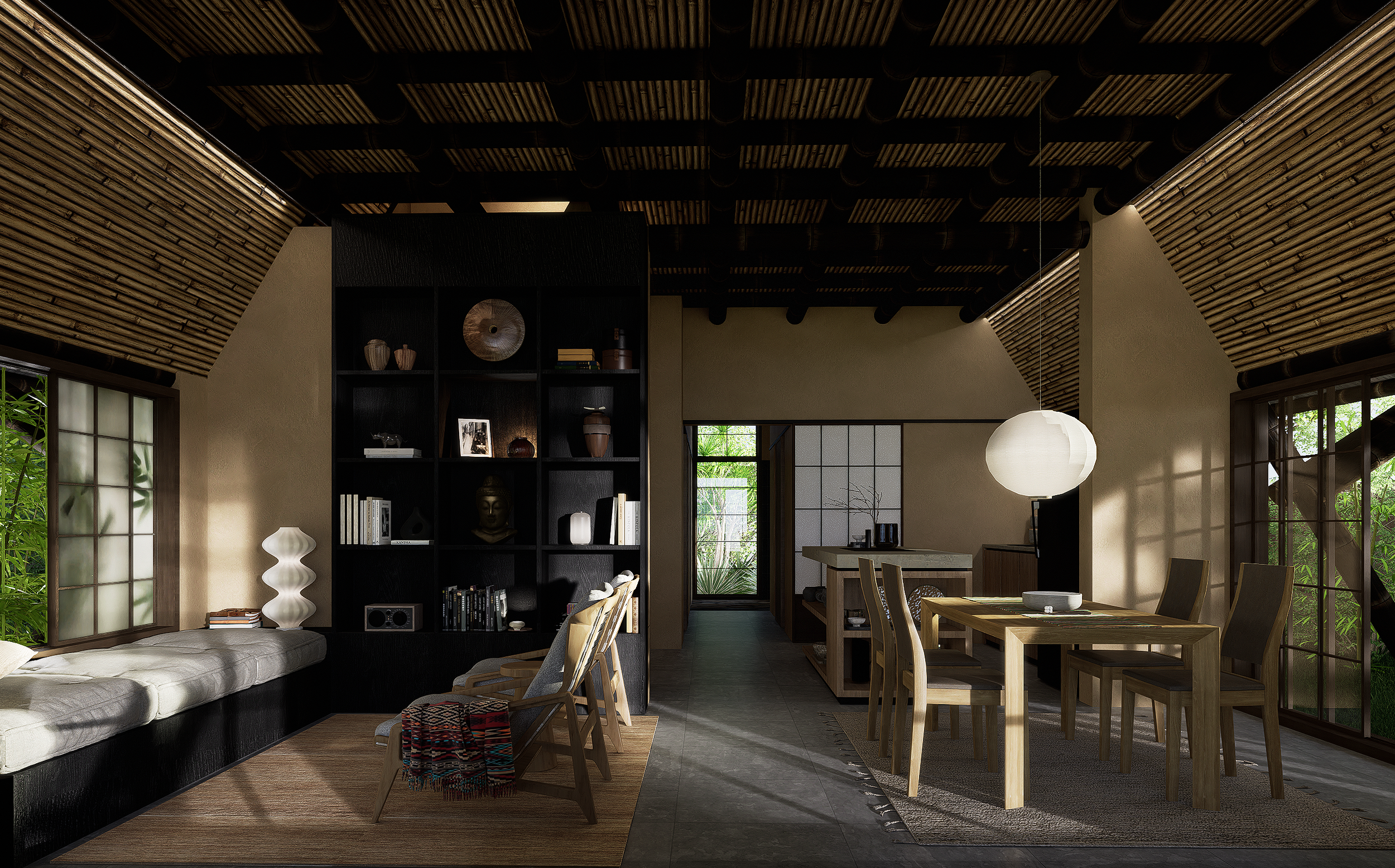
Projects designed by strategy, context and long-term value
Every project reflects a clear understanding of context, user and long-term value, where architecture supports both experience and investment performance from the very beginning.
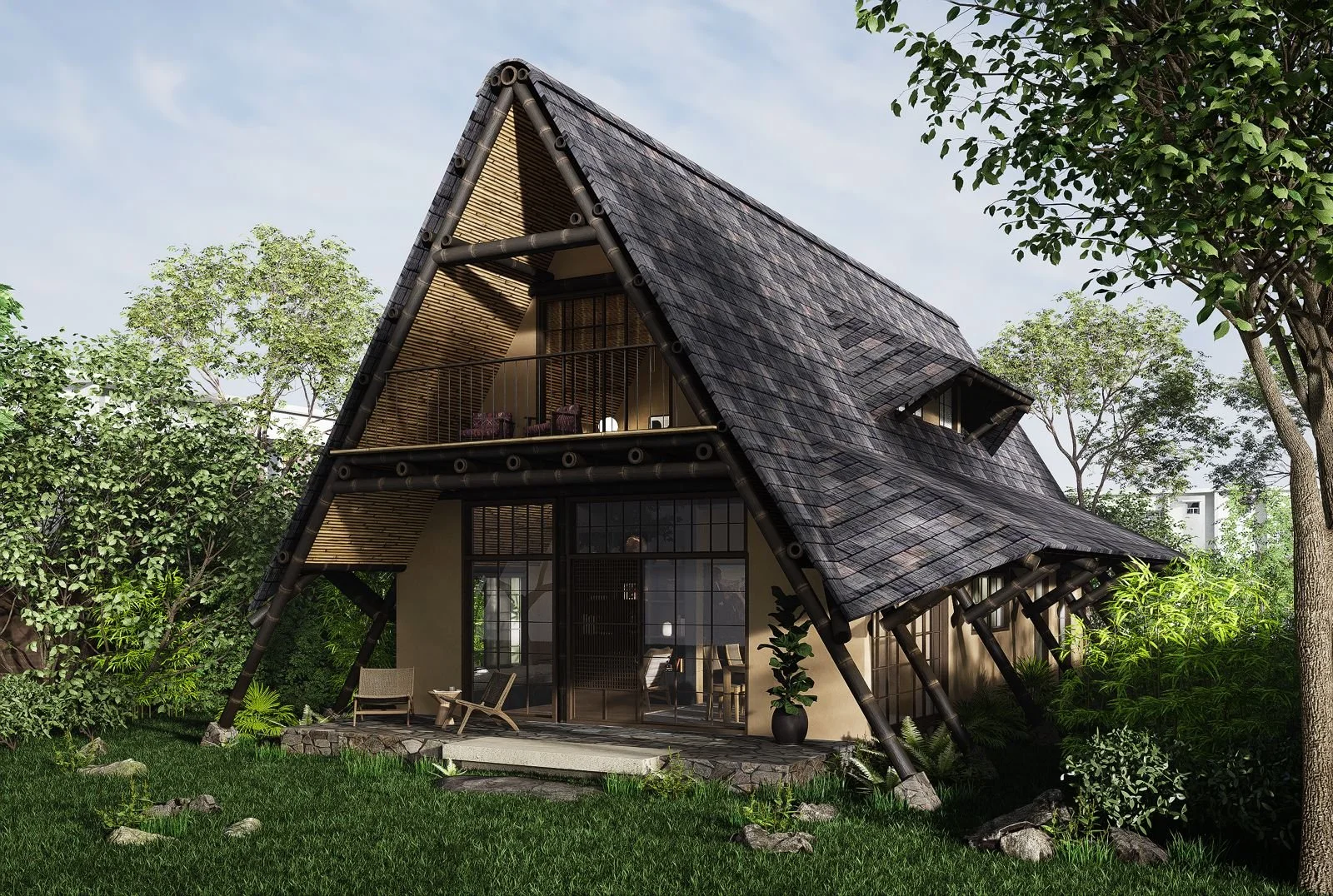
Japanese inspiration Bamboo Villa
Start your next investment
We approach every project as a strategic definition — not just a design exercise.
Each proposal responds to it is context, intended use and long-term vision, shaping spaces that are both meaningful and performative.
Whether built or not, the goal remains the same: clarity before construction.
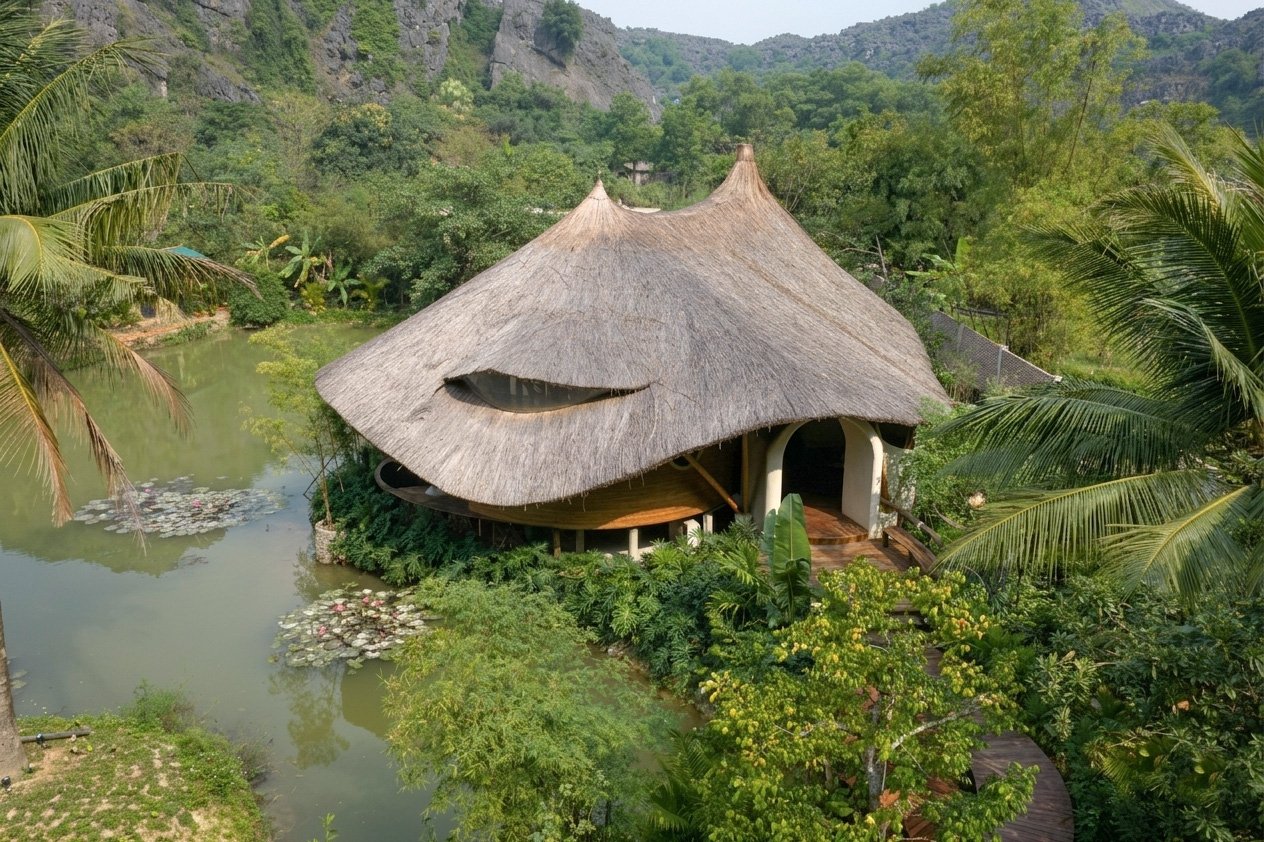
Featured Project
Client
Lamia Resort
Year
2025
A lakeside bamboo retreat designed for personal and short-term rental purposes, organized around a seamless open-air living area, creating a borderless connection to the surrounding land and water. The structure has been raised up off the ground and has a large thatch roof, allowing for passive cooling, sun shading, and ventilation. The use of natural materials (bamboo, timber and earthen finishes) anchors the project to the landscape in which it is located, establishing the villa as a unique retreat experience that provides immersive nature experiences to guests who wish to connect with the surroundings.
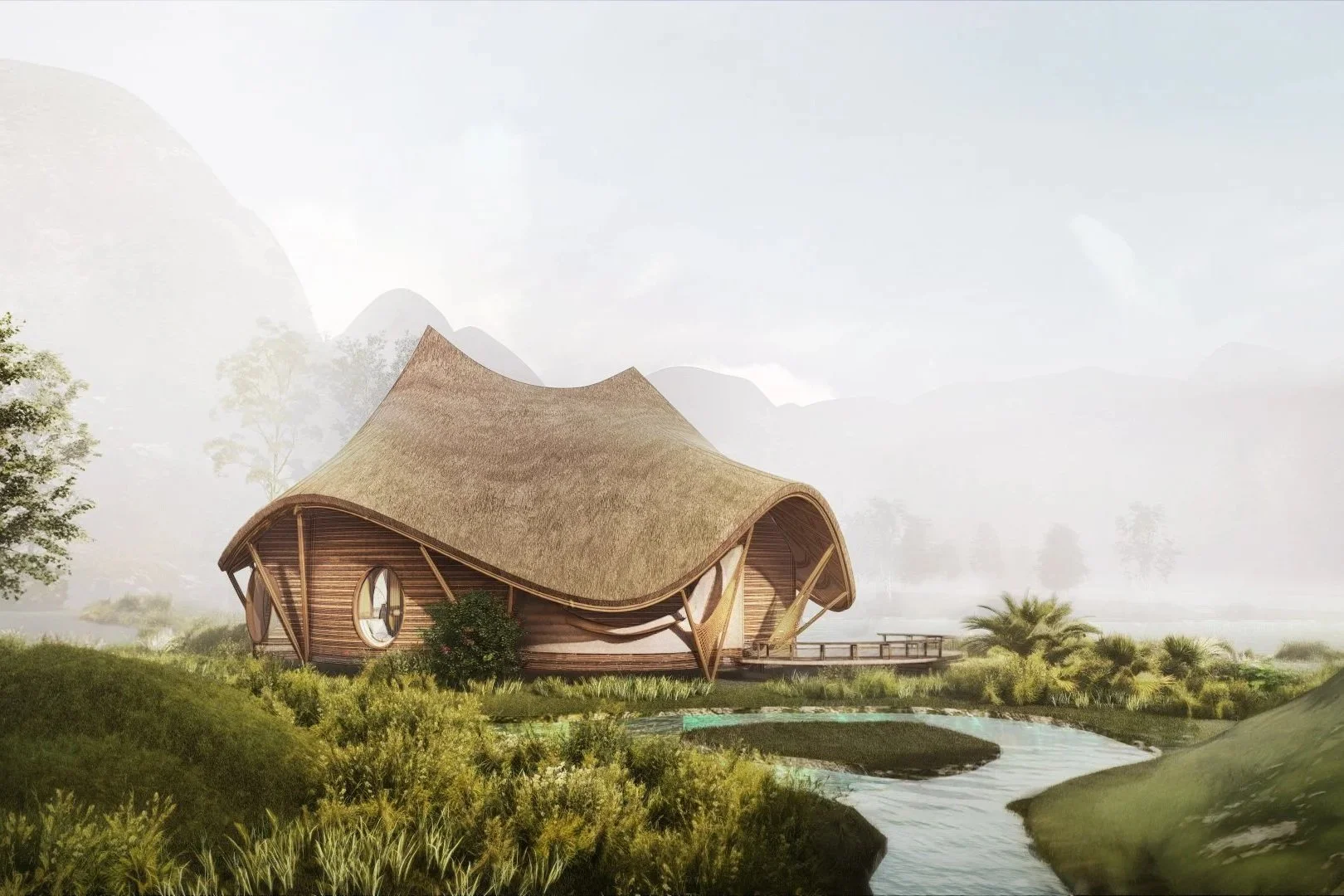
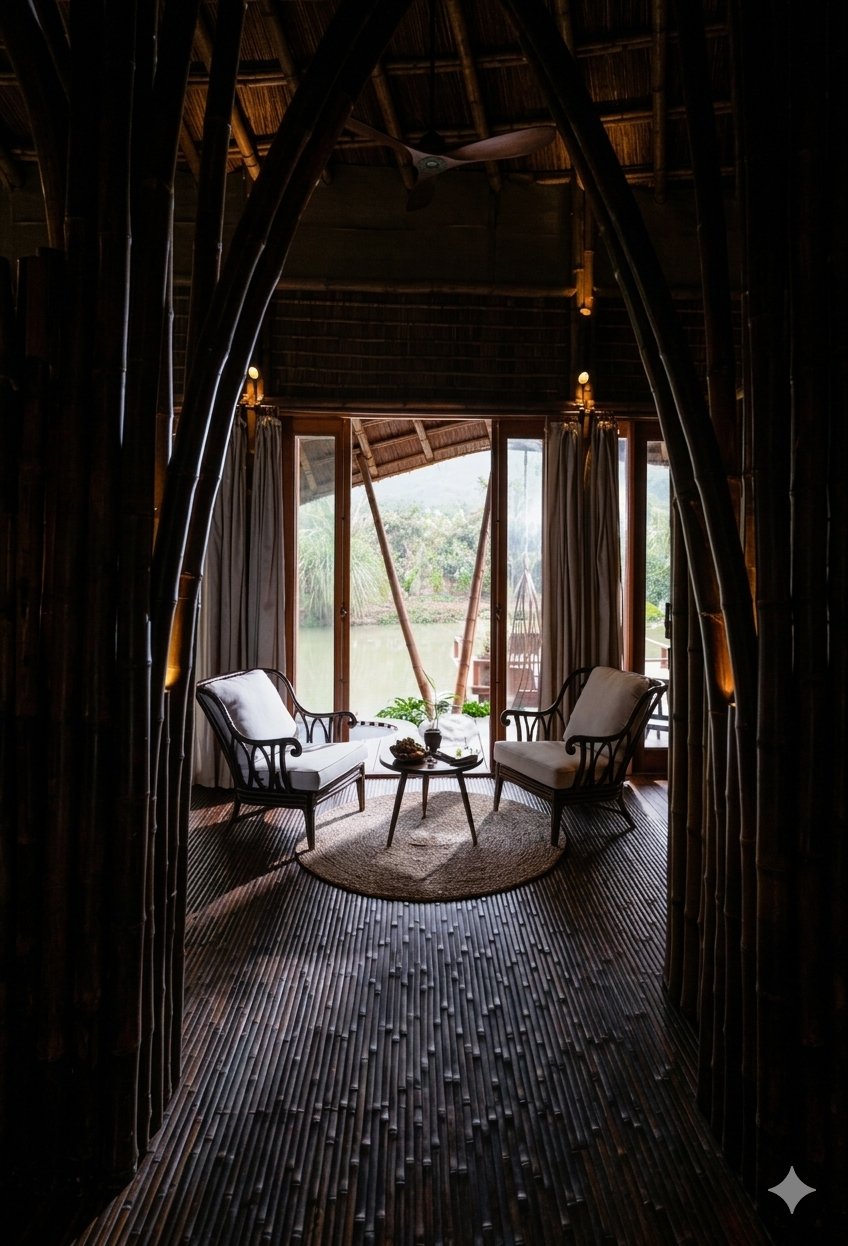
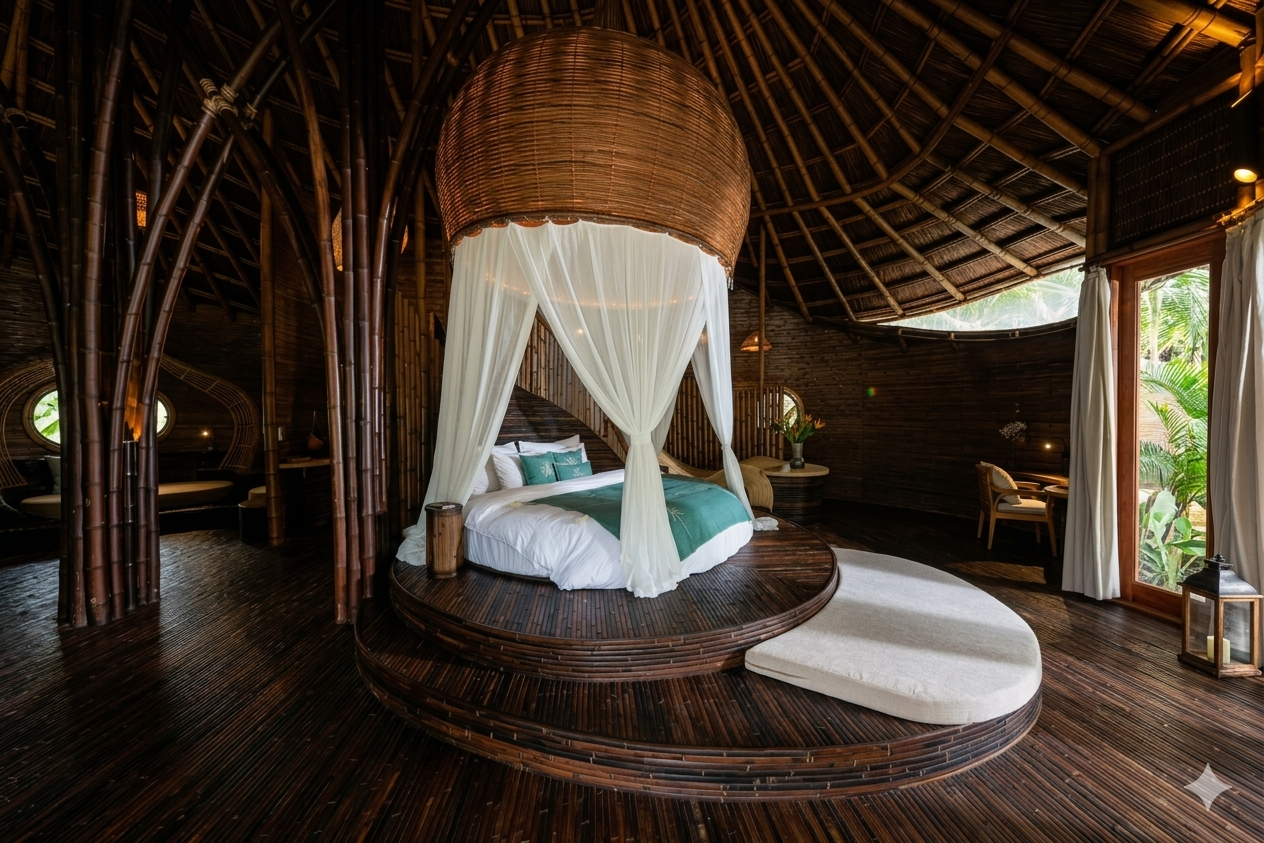
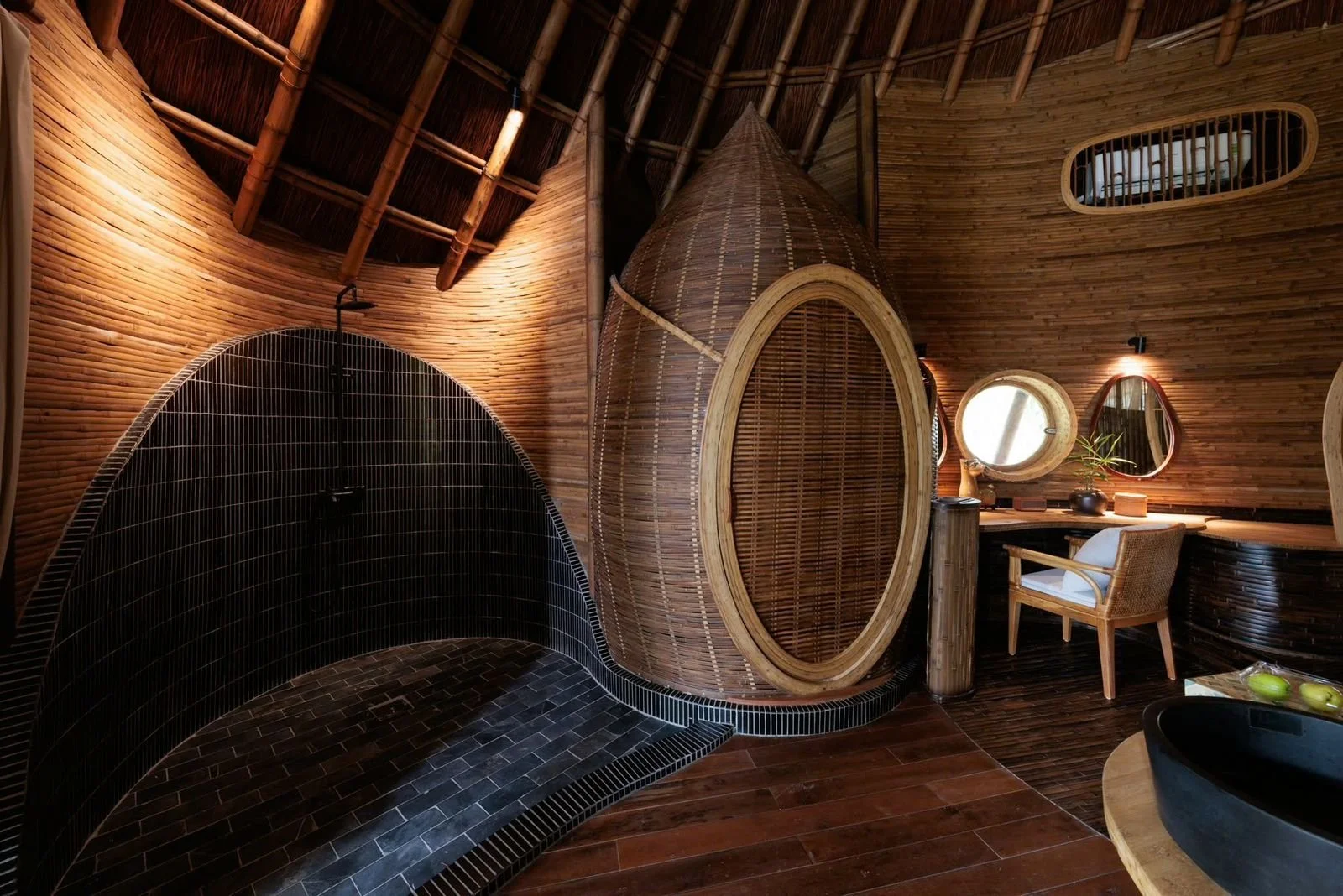
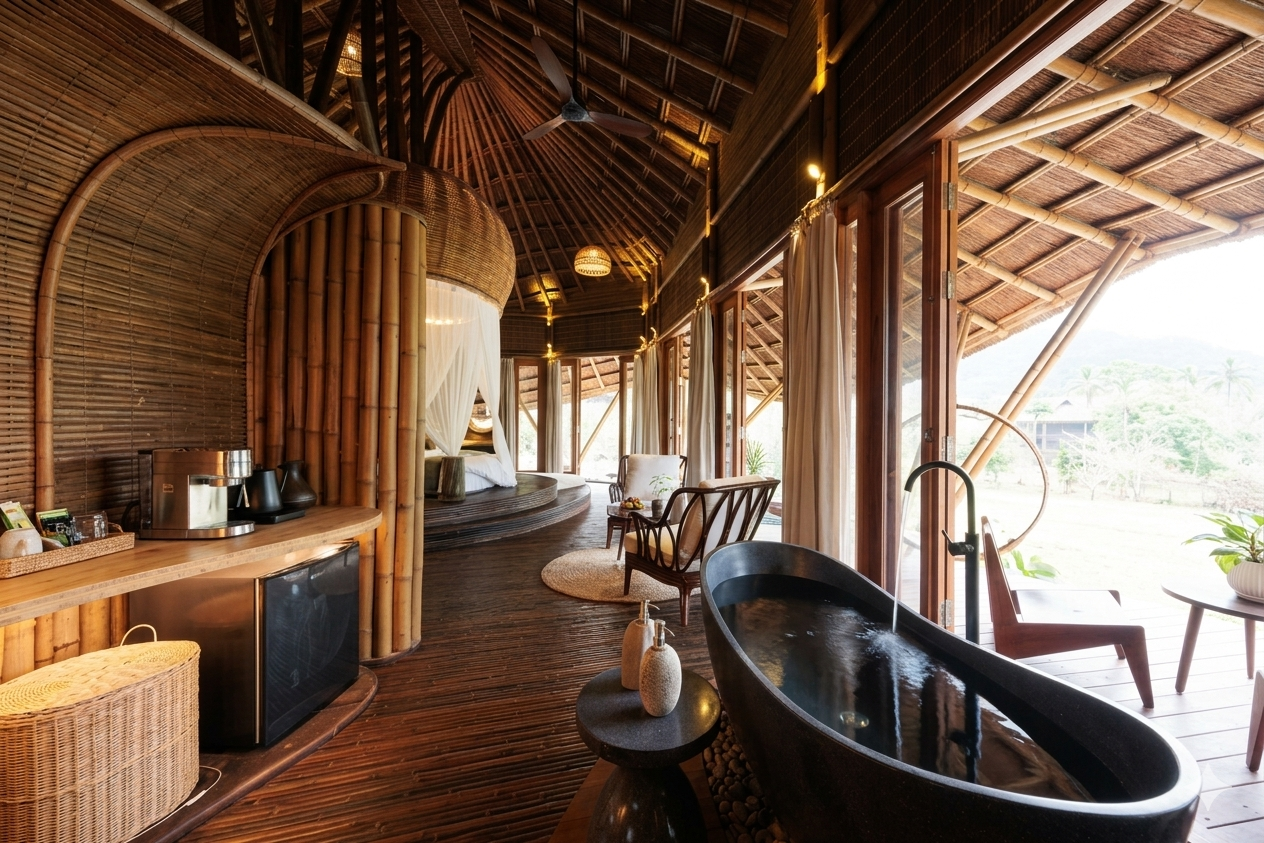
A compact footprint can outperform larger villas when spatial sequencing is well resolved.
Development Studies
Explorations that test how architecture can respond to land, use and long-term value before anything is built.
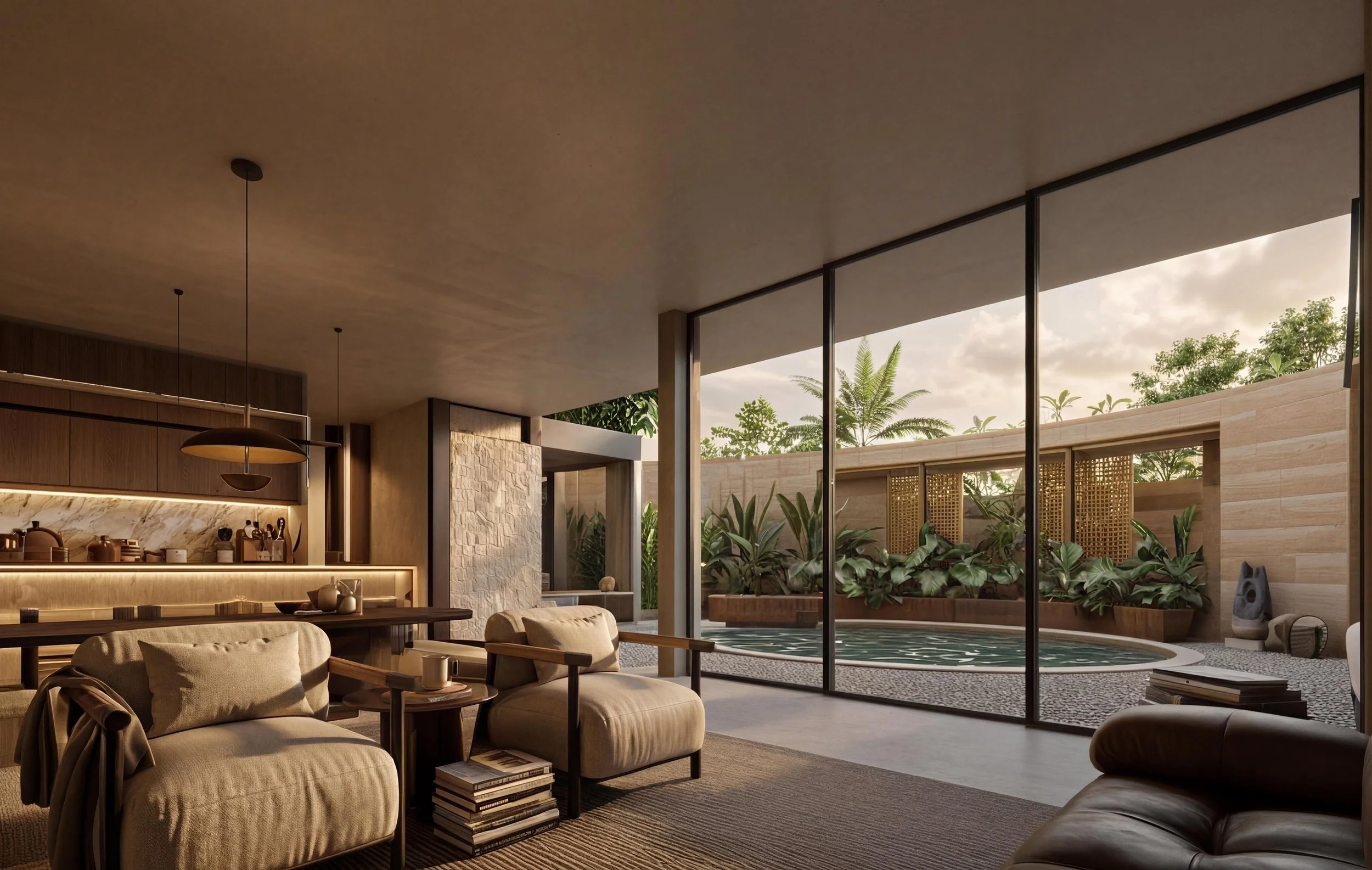
Casa Gaia
An indoor/outdoor villa (hybrid) was designed as a personal retreat and high-end rental using seamless connections throughout the building. The use of full-height glazing creates a private courtyard pool that allows natural light and air-flow to easily move through the structures. The combination of warm and tactile building materials (stone, wood, and materials with a soft texture) anchor the project within the natural environment of the location in which it is situated. The project will differentiate itself from its competition in the high-end rental market via providing exceptional atmospherics, privacy and finely detailed spatial continuity.
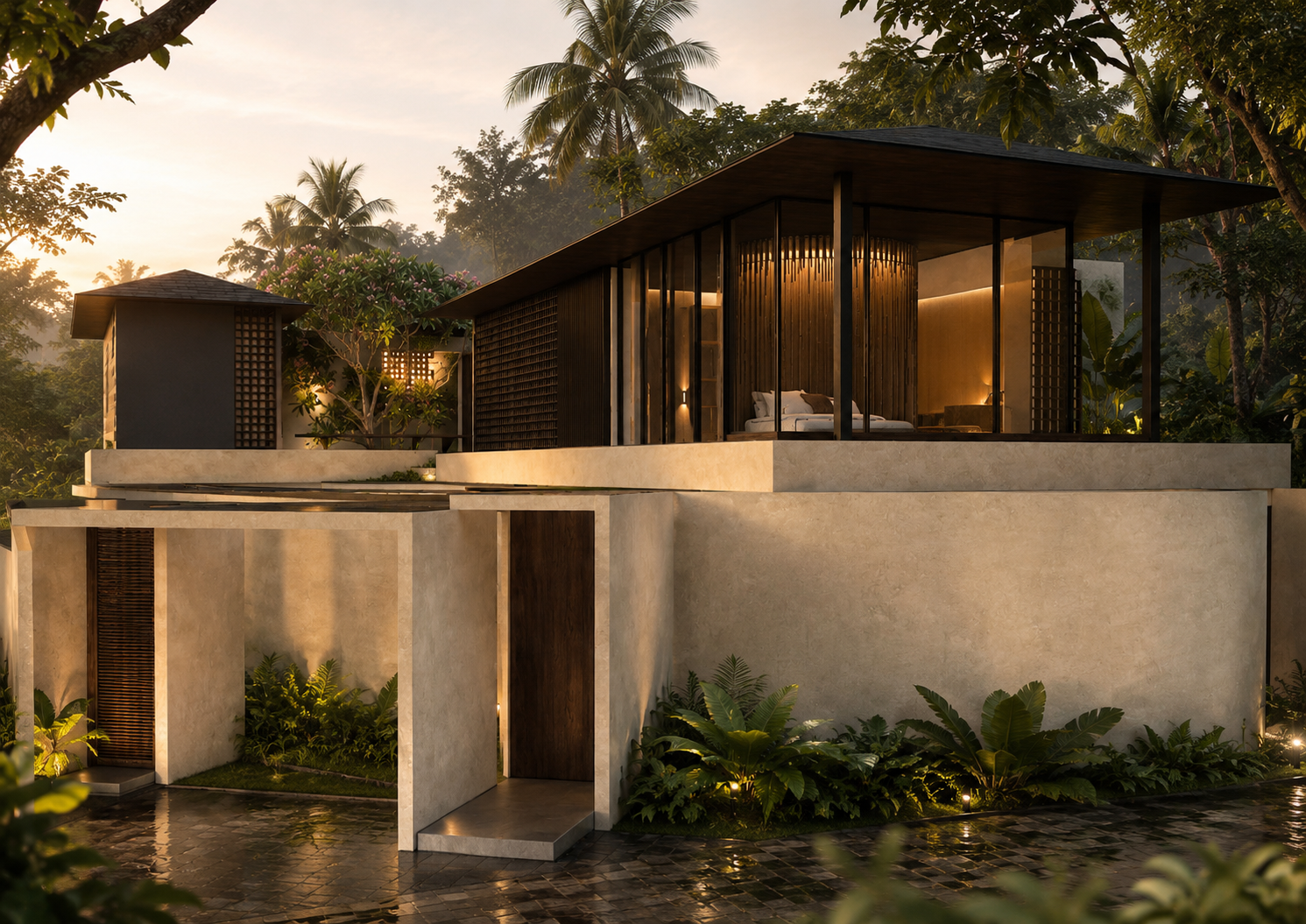
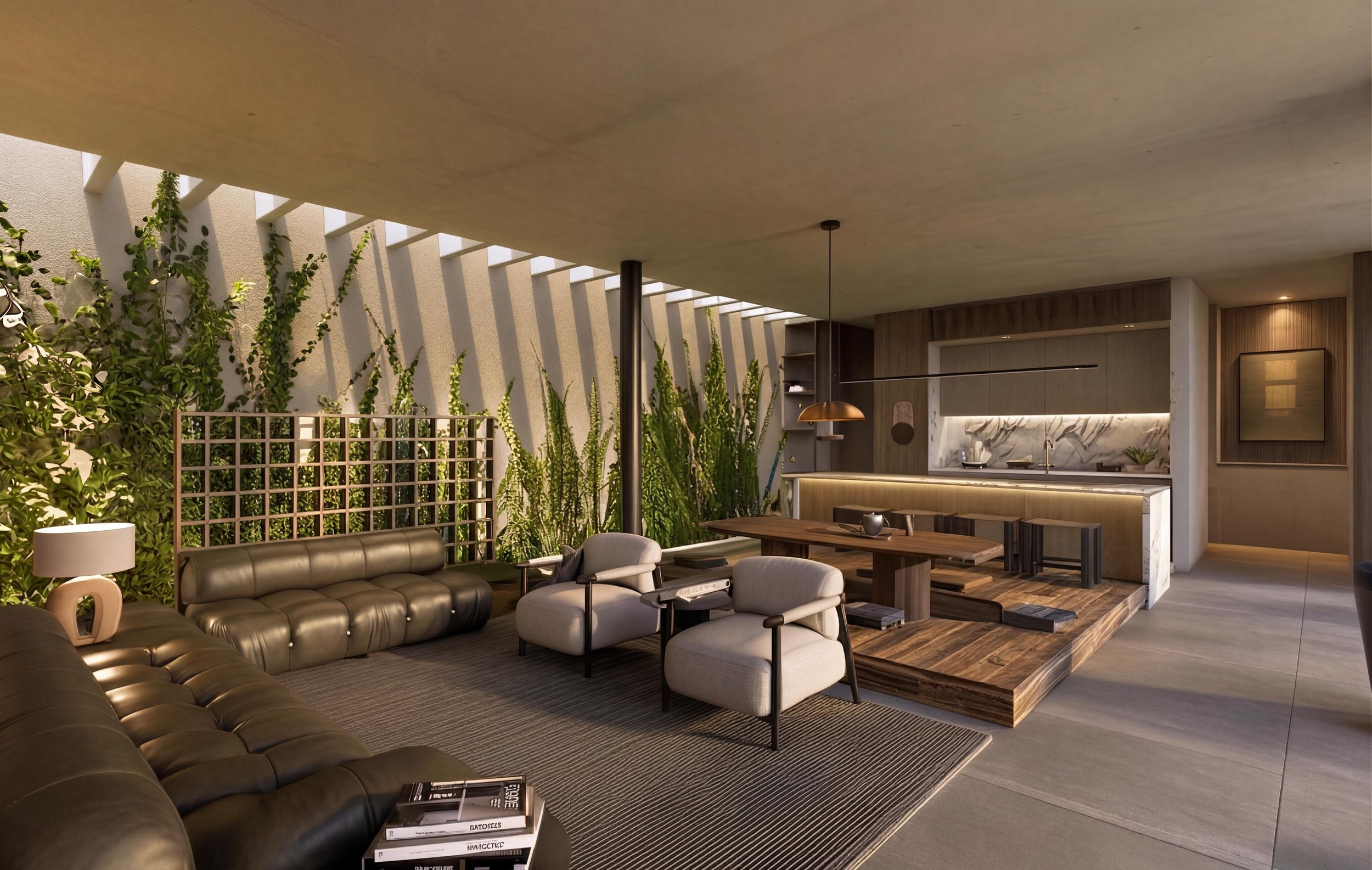
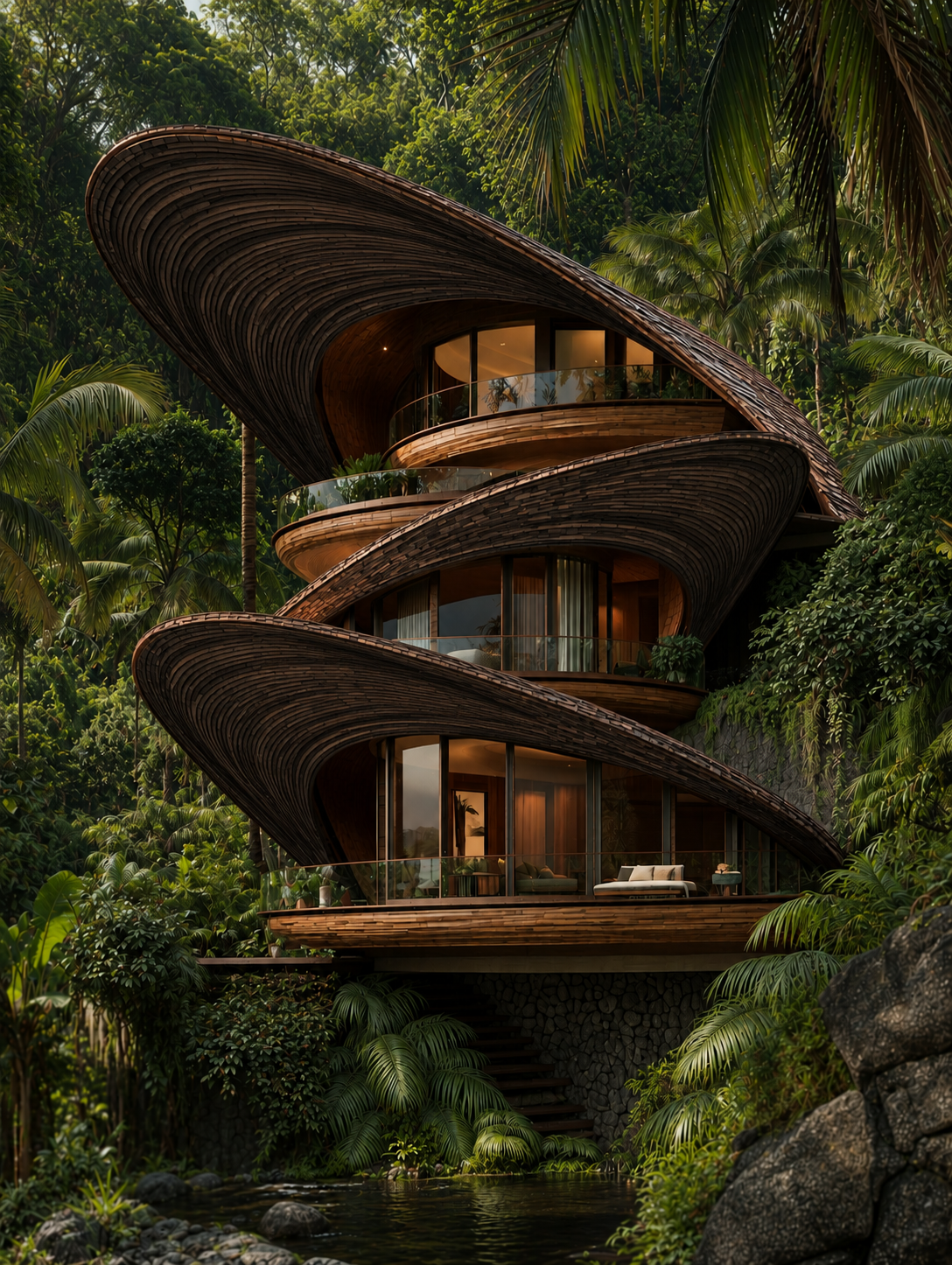
Sidemen Villa
In a dense tropical environment, the villa is elevated to engage canopy-level views and airflow while minimizing ground impact through a lifted, lightweight structure.
This design creates a large shaded, ventilated place on the ground, limiting site disturbance while providing a unique atmosphere and increasing usable space.
Big Ideas, Real Impact
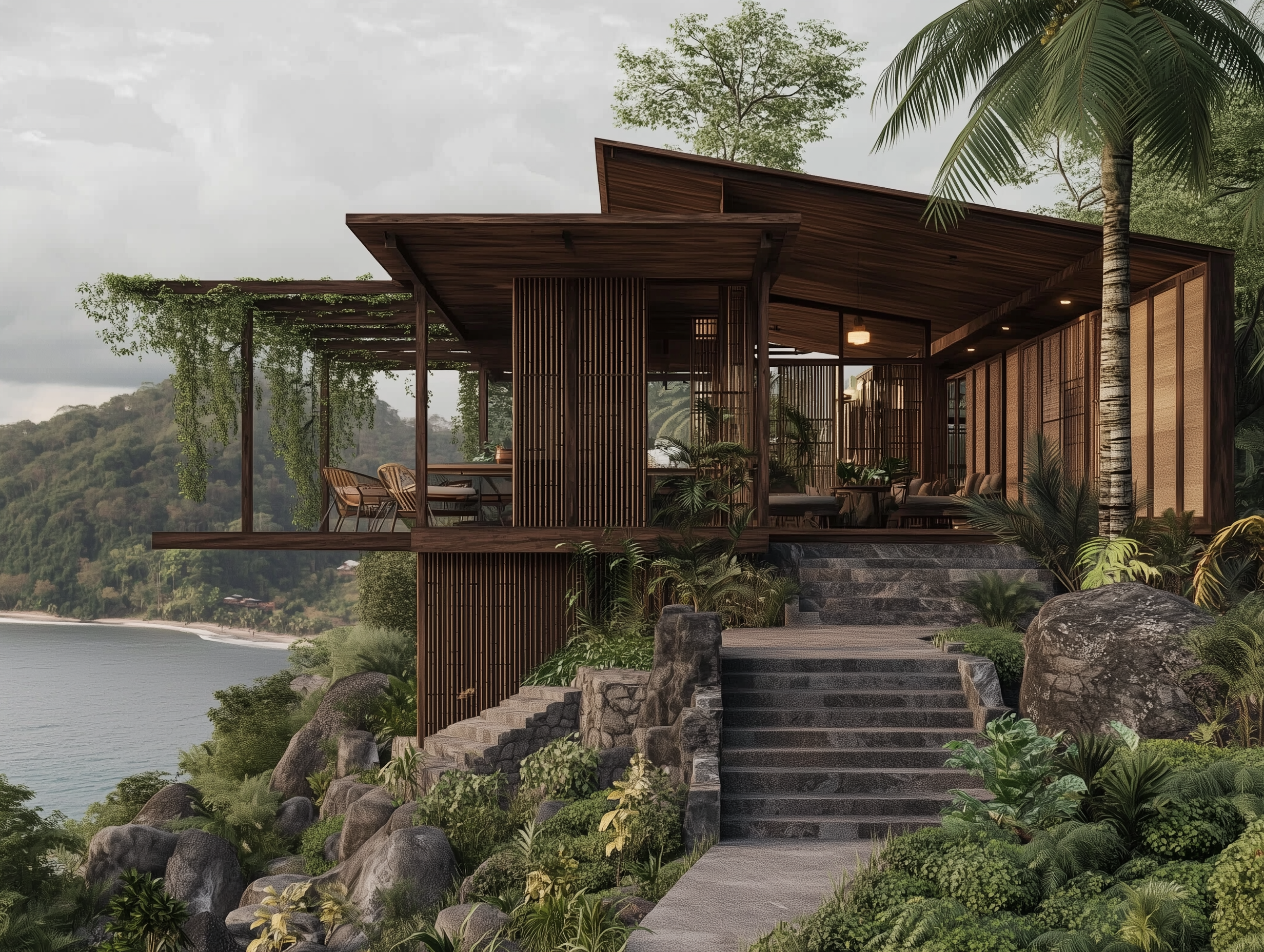
Uluwatu Cliff Villa
Designed on a hillside with an ocean view, the Villa is built into the ground to maximize the views from the property and privacy and to create an integrated relationship with the landscape in the area.
The platforms of the building slope down with the site creating visual continuity of functions, while providing their own outdoor areas, reducing the amount of space that has been altered but providing increased value from the space due to the number of experiences that can be provided from it.
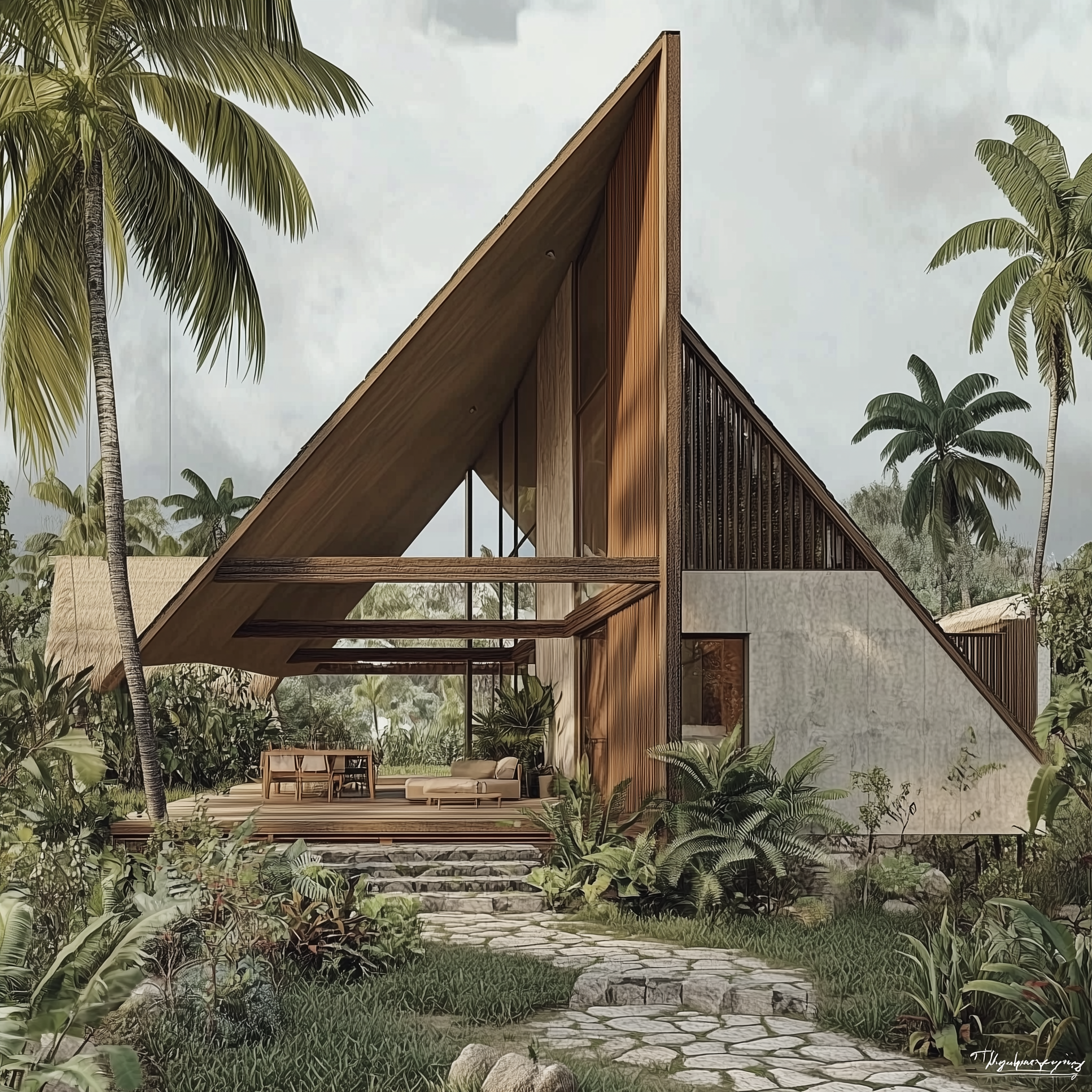
Ubud Triangle Villa
The Villa was designed with an emphasis on the quality of its interior and the function of the building through its use of materials and form. The tied and folded roof structure provides a single architectural design through a double-height core and a shaded terrace.
This reduces the amount of ground area occupied by the building while creating a single identity and efficient building without additional or excessive design features.
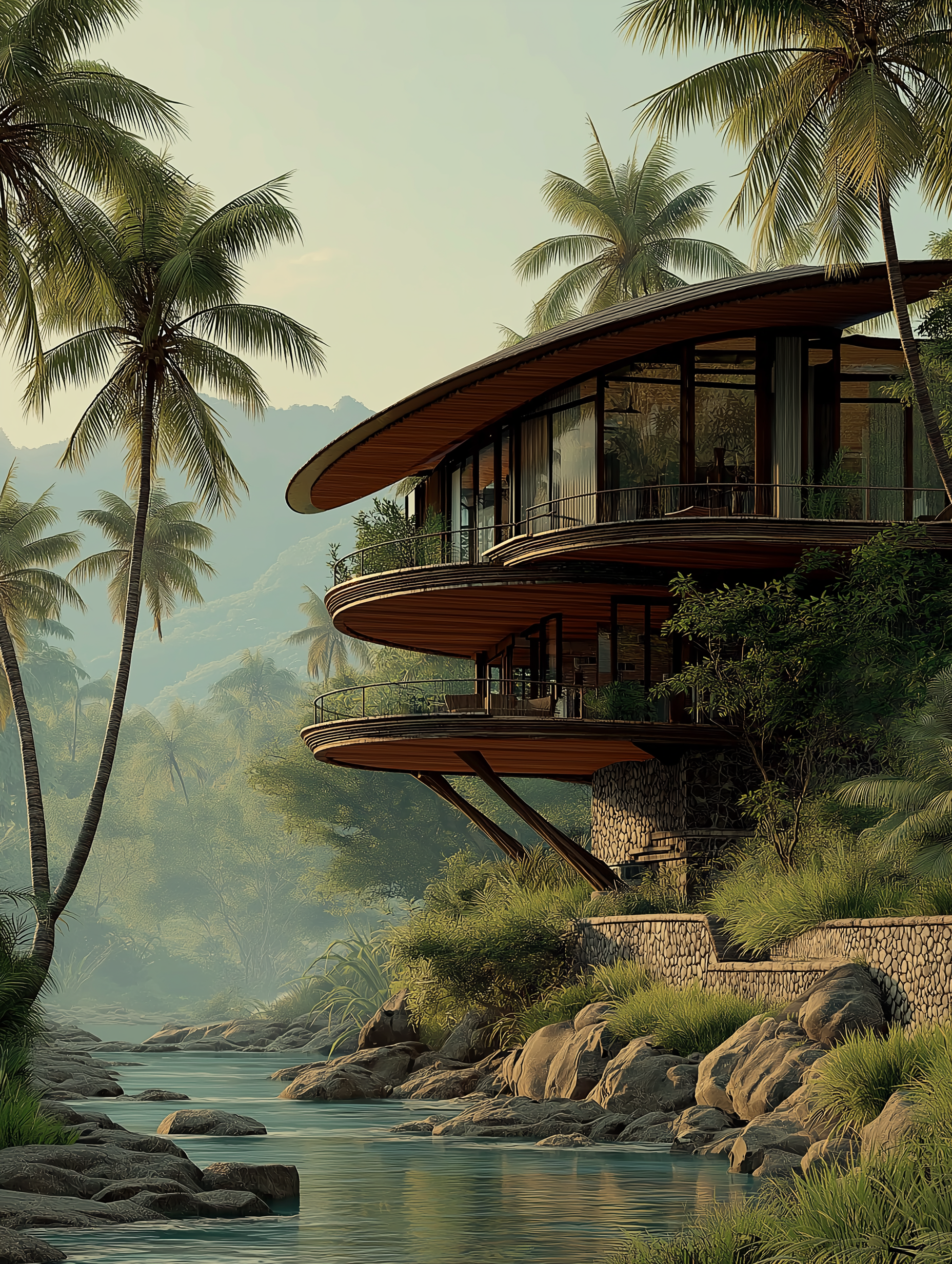
The River Villa
The villa is situated next to a river in an area of dense vegetation.
The water proximity and vegetation inform the climate, views and experiences throughout the villa. With curved horizontal layers extending toward the river, the villa creates fluid outdoor-indoor platforms that improve the overall experience, with the individual forms and locations combining to create high value and/or premium rental properties.
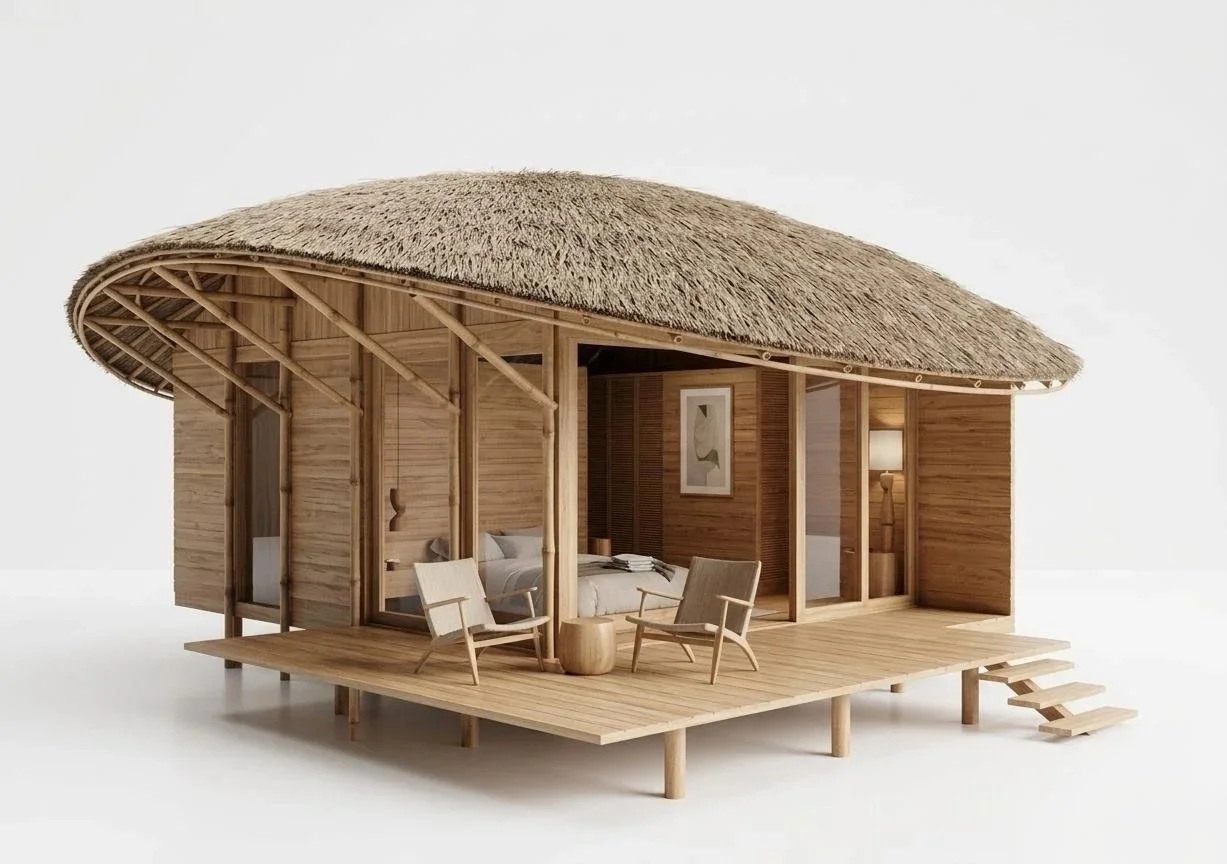
Sumbawa Surf Camp Bungalow
In this tropical Surf Camp setting, the bungalow has been designed for scalability, efficiency, and seamless integration into the surrounding environment.
The unit has a rectangular modular layout and incorporates a covered deck to provide maximum flexibility between indoor and outdoor living, while using natural ventilation and shade to lower both cost and time to develop the unit, while retaining a strong and adaptable identity.
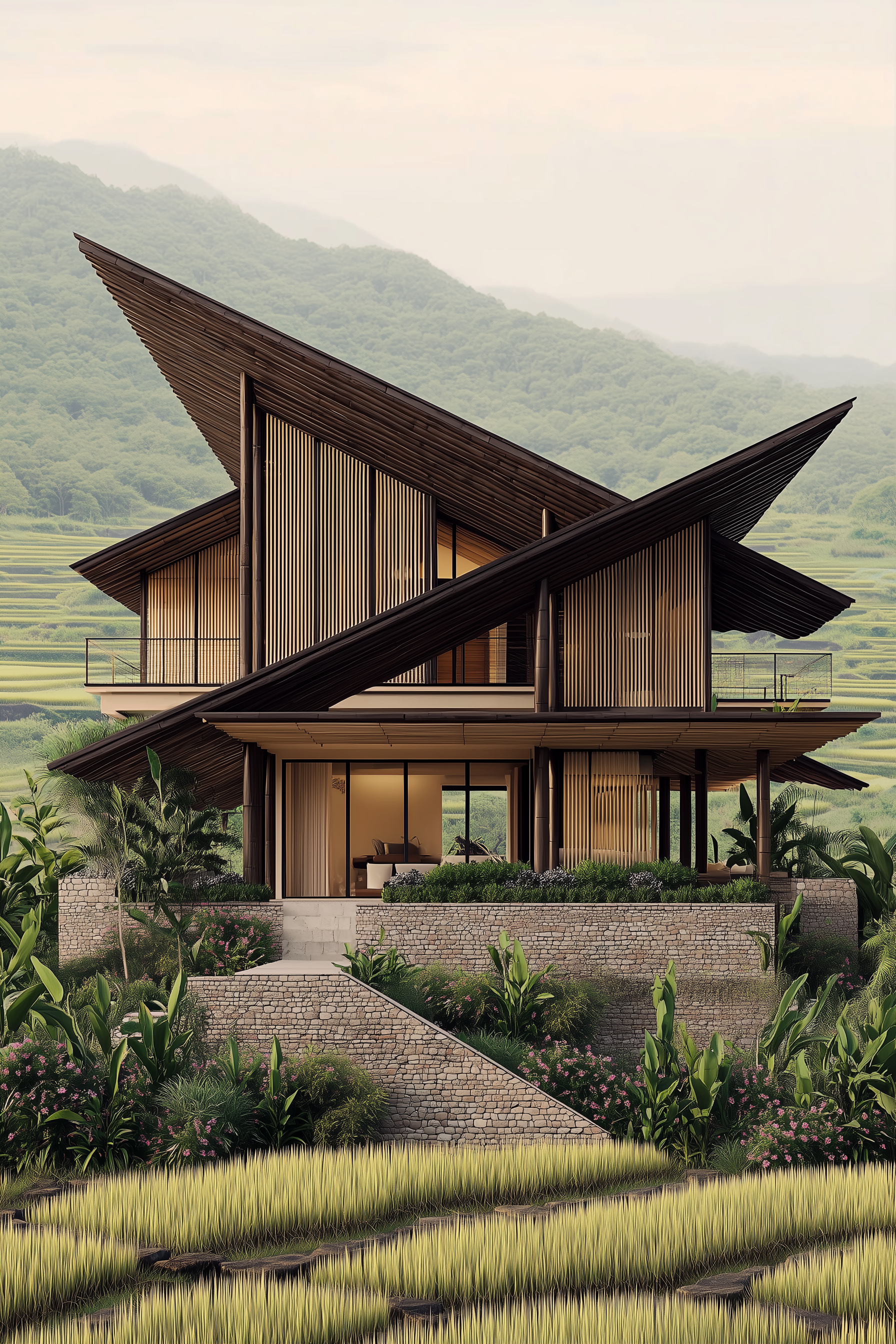
The Framed Landscape House
Using the rice fields below as its focal point, the Villa was designed as a way of enhancing the visual qualities of the building and preserving the relationship it has with the surrounding landscape.
The Villa was designed as a series of inclinate planes with the open corners providing expansive views from the building to the landscape through the use of vegetation around the perimeter of the building and resulting in the building being designed as a large viewing platform. This has provided greater value to the building by increasing the spatial quality of the building than the built form of the building.